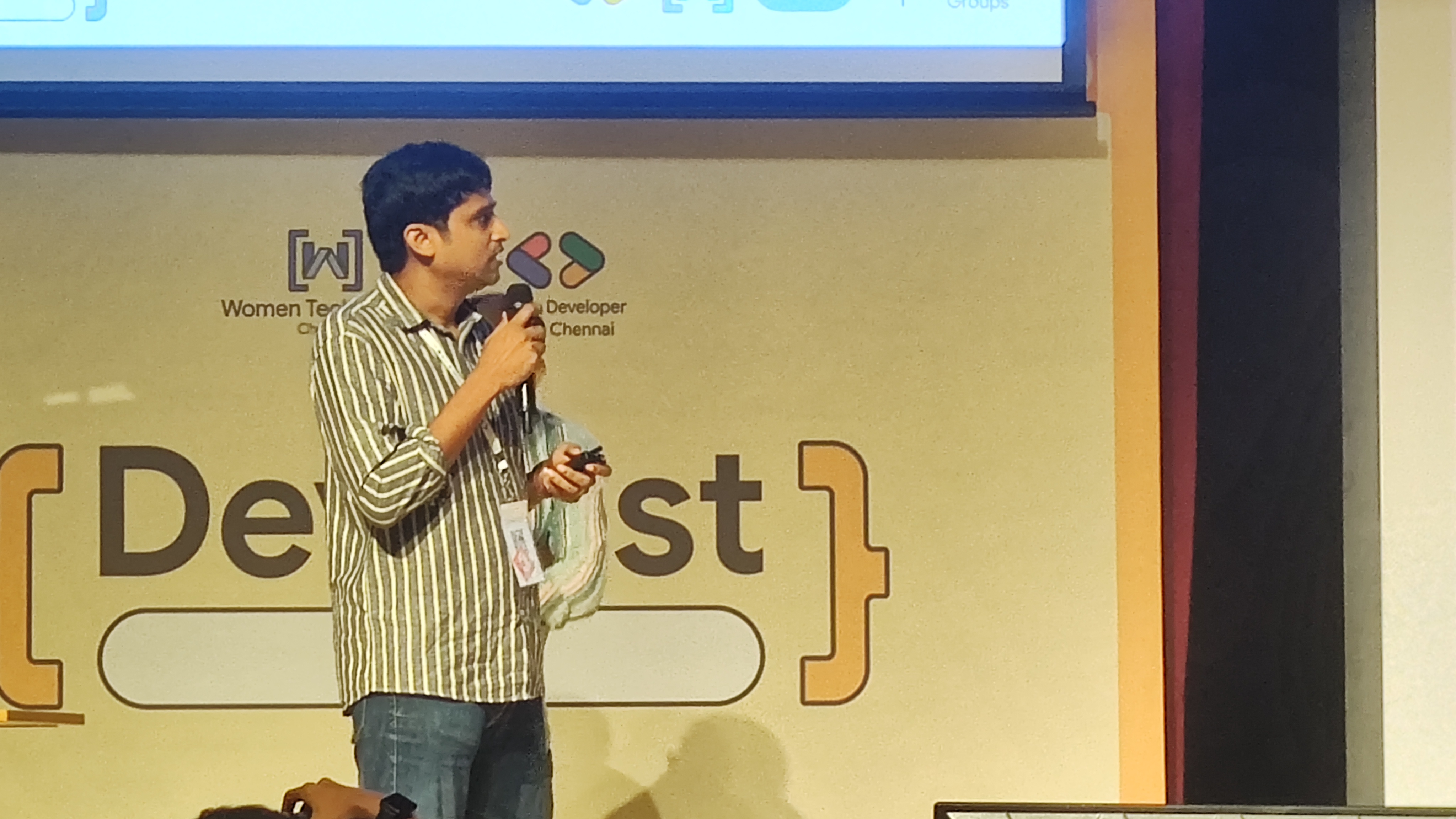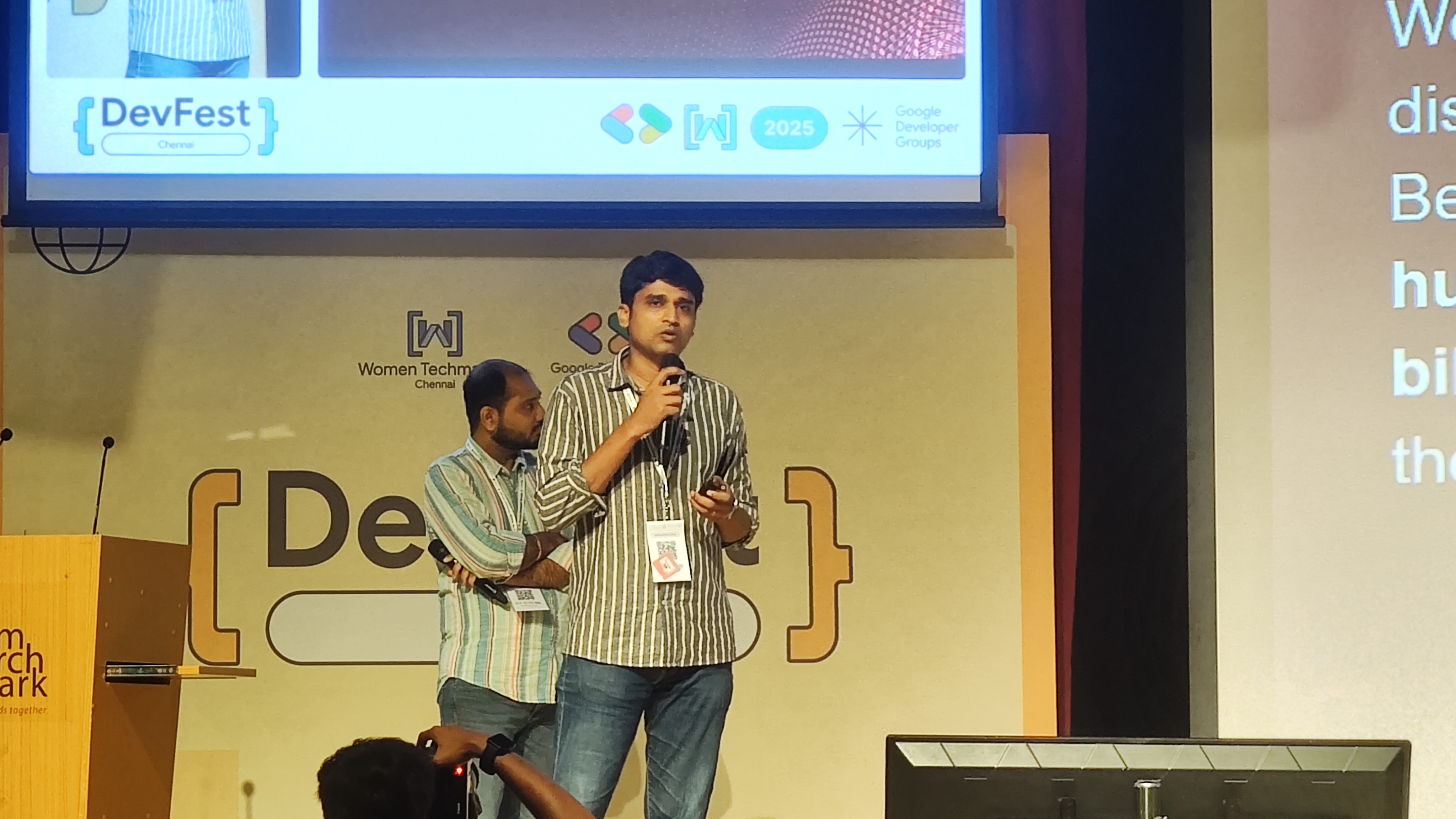
The session began with Abhay Kumar and Aravind Ravi, key leaders at Poshmark, taking us through the remarkable evolution of one of a successful social commerce platforms. They took us through how a startup’s architecture must evolve with its business needs.
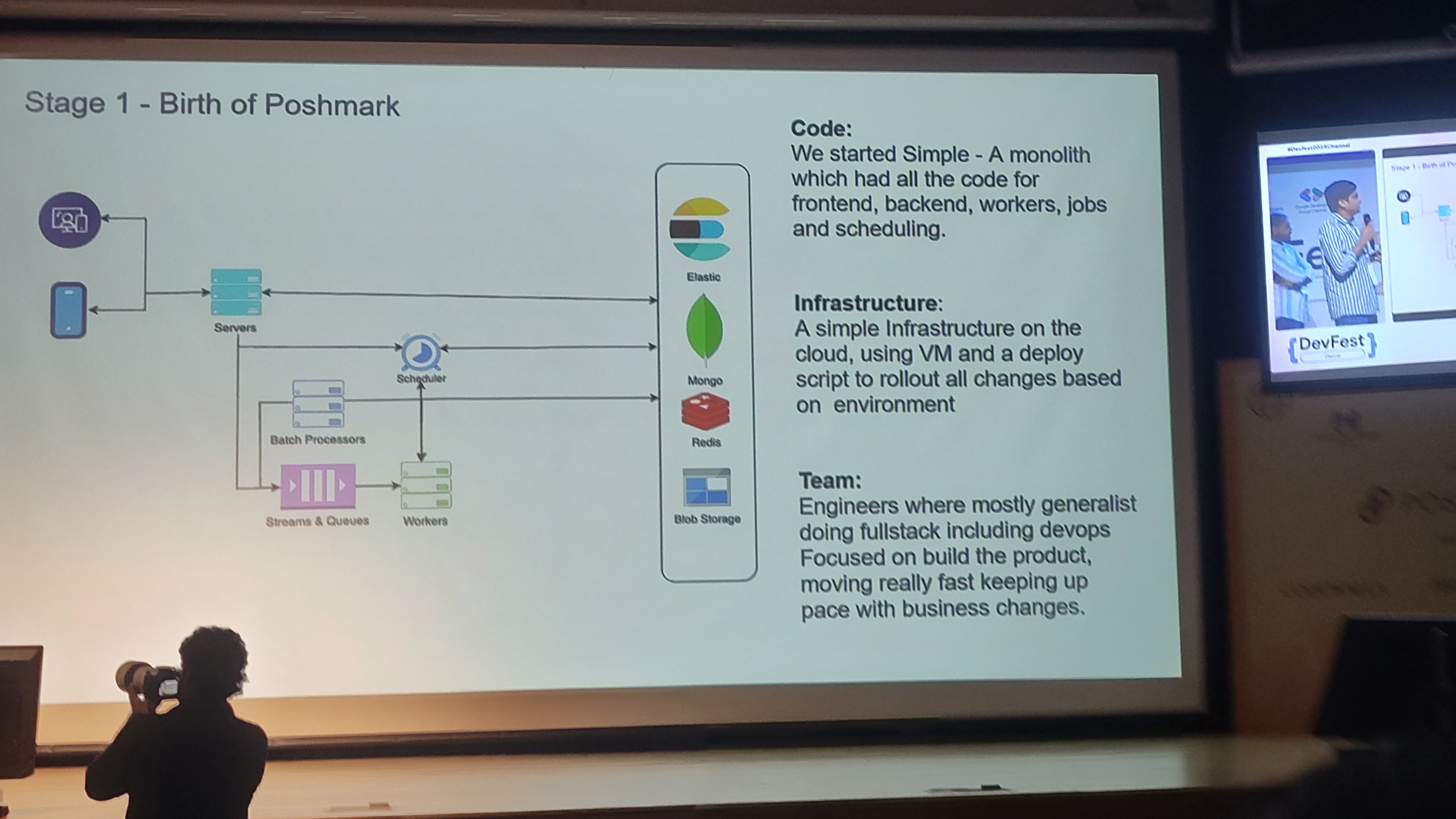
Stage 1 - The Birth of Poshmark: Startup Simplicity
Like many startups, Poshmark began with a classic monolithic architecture running on the cloud. In these early days, the team was composed primarily of generalists, engineers who could work across the entire stack moving quickly and trying to find product-market fit. The monolith allowed them to iterate without the overhead of managing complex distributed systems.
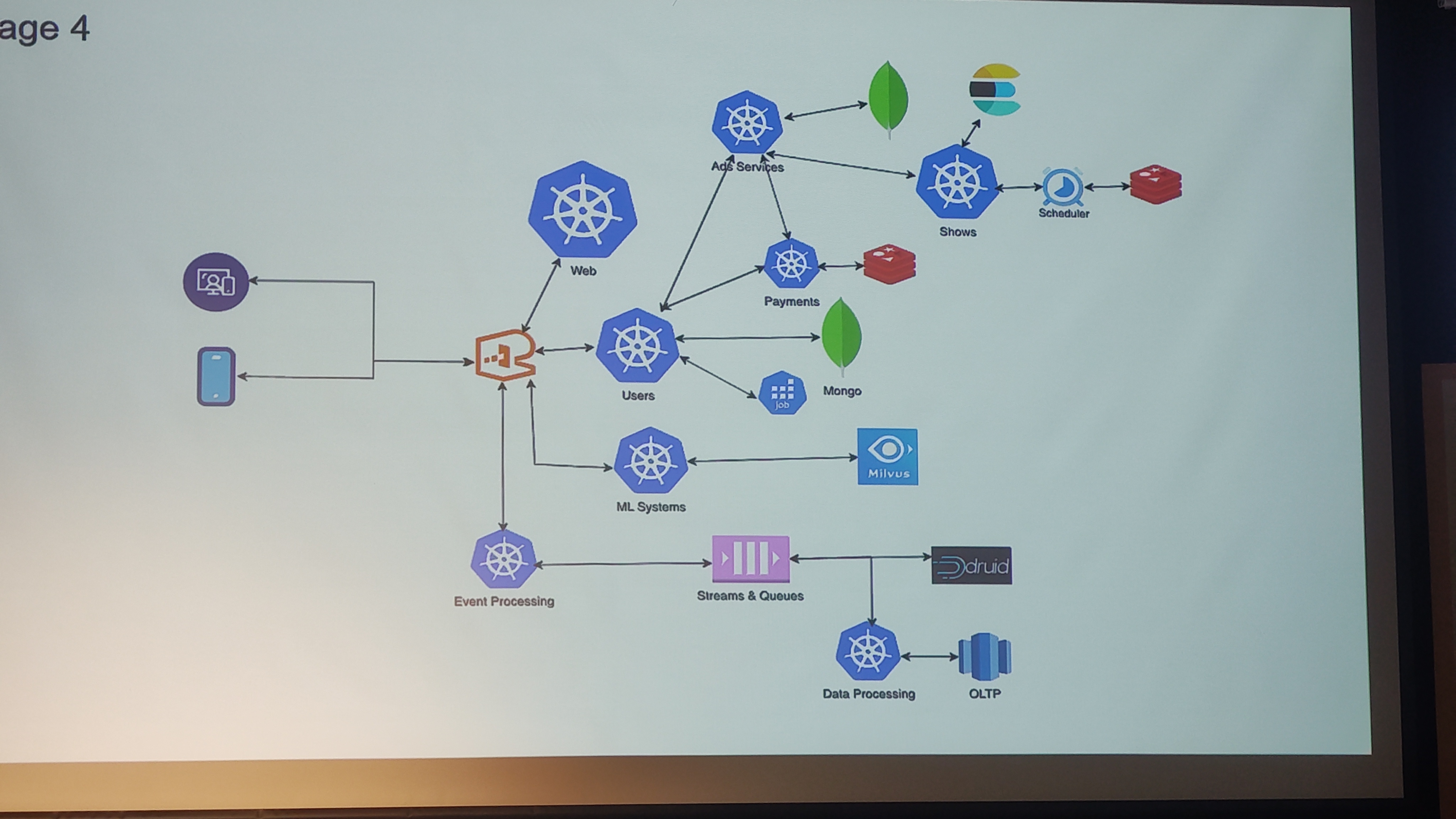
Stage 2 - Growing Business and Teams: The End of the Monolith Era
As Poshmark’s user base and business complexity grew, the felt the limitations of their monolithic architecture. The company was expanding, bringing in more specialized engineers, It was time to move beyond the monolith and embrace a more distributed architecture that could scale.
Stage 3 - Redefining for the AI Era
The current stage represents perhaps the most transformational period in Poshmark’s technical evolution. As artificial intelligence and machine learning became central to modern commerce, Poshmark recognized that they needed to fundamentally rethink their architecture and processes to remain competitive and innovative.
Aravind’s Deep Dive: The AI Journey at Poshmark
Aravind Ravi then took us deeper into Poshmark’s AI transformation, starting with a fundamental shift in how they think about development lifecycle.
How they do MLDLC
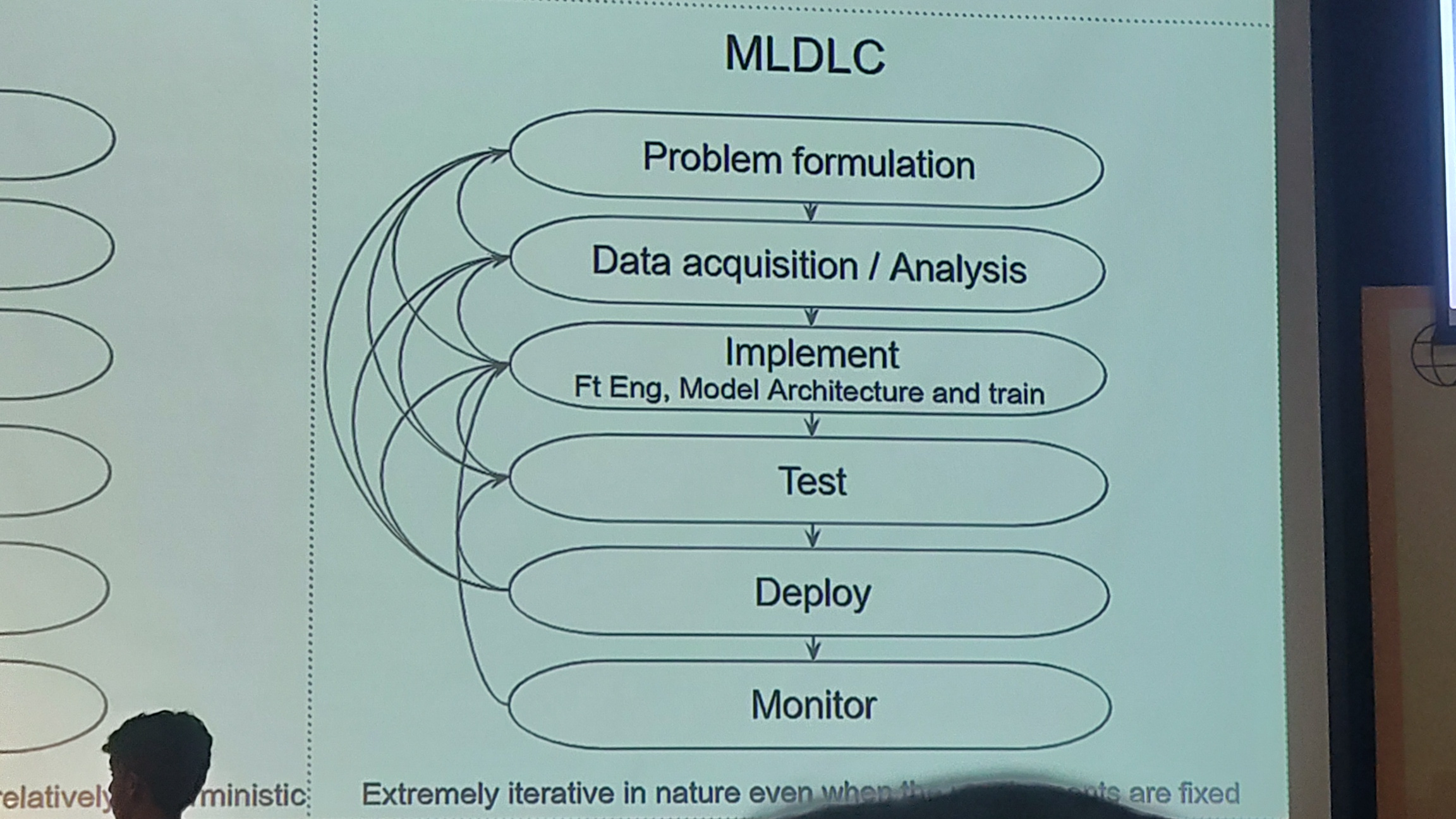
One of the most significant changes was moving from traditional Software Development Life Cycle (SDLC) to Machine Learning Development Life Cycle (MLDLC). While traditional SDLC follows a more linear approach, MLDLC is inherently iterative. In machine learning, you’re constantly training, evaluating, and refining models based on new data and feedback. This requires a completely different mindset and toolset.
Understanding Poshmark’s Commerce Flow
AI Requirements in the flow?
Seller in Listing, Poshmark in Merchandise management. Buyer would need AI in Order processing. Seller/Poshmark would again need AI Fulfillment. Poshmark would love for AI be in Support.
They have moved to place where AI now plays a crucial role at every single stage of this journey and is woven throughout the entire experience.
Real-World AI Implementation
One particularly interesting example Aravind shared was their approach to authentication for high-value transactions.
For items priced above $500, Poshmark implemented a sophisticated physical-to-virtual authentication system. This AI-powered process helps ensure the authenticity of expensive items, building trust in the marketplace while managing the operational costs that would be prohibitive with purely manual verification.
This balance of AI automation with human oversight demonstrates how Poshmark is leveraging artificial intelligence not just for efficiency, but to solve real business problems and enhance user trust in their platform.